WOW, Already the 9. of May. Where is the time hiding? Quickly a few pictures in case the days slide away as fast as in the past!

Snowflakes have already started to flower. Euphorbia leucocephala.
Euphorbias are well known for their eye-catching flowers. This Euphorbia has a pleasant fragrance.

Marie Van Houtte an old french rose.
Roses are awakening from their summer sleep. They had a tough time coping with the dryness.
'Marie van Houtte' has large, globular flowers of lemon yellow, darker in the centre, with pinkish lilac suffusing the tips of the petals. Its dark, shiny and, evergreen foliage is an excellent foil to the light flowers.

In my garden grow some tall paperbark trees. They have just flowered, it was an impressive snowy show. Now the reddish spend flowers, making an abundance of seed.
The trees tops were heaven for butterflies and other insects. Swarms of Lorikeets would settle on top, suddenly take off, fly very fast around the house and settle back onto the treetop to feed some more of the nectar.

Going into the colder season brings forward the attractive flowers of Bougainvillea.


Saritaea Magnifica, Glow vine.
A climber native to South America. It is propagated by cuttings. It is a very prolific grower. Mine has climbed up a Bull Bay Magnolia tree.


Summer harvest; Pitaya and Soursop. Delectable fruit.

Pawpaws, hopefully, they
ripen during winter.

Busy Lizzy found a secret source of food and water.

In my garden grow some tall paperbark trees. They have just flowered, it was an impressive snowy show. Now the reddish spend flowers, making an abundance of seed.
The trees tops were heaven for butterflies and other insects. Swarms of Lorikeets would settle on top, suddenly take off, fly very fast around the house and settle back onto the treetop to feed some more of the nectar.

Going into the colder season brings forward the attractive flowers of Bougainvillea.


Saritaea Magnifica, Glow vine.
A climber native to South America. It is propagated by cuttings. It is a very prolific grower. Mine has climbed up a Bull Bay Magnolia tree.


Summer harvest; Pitaya and Soursop. Delectable fruit.

Pawpaws, hopefully, they
ripen during winter.
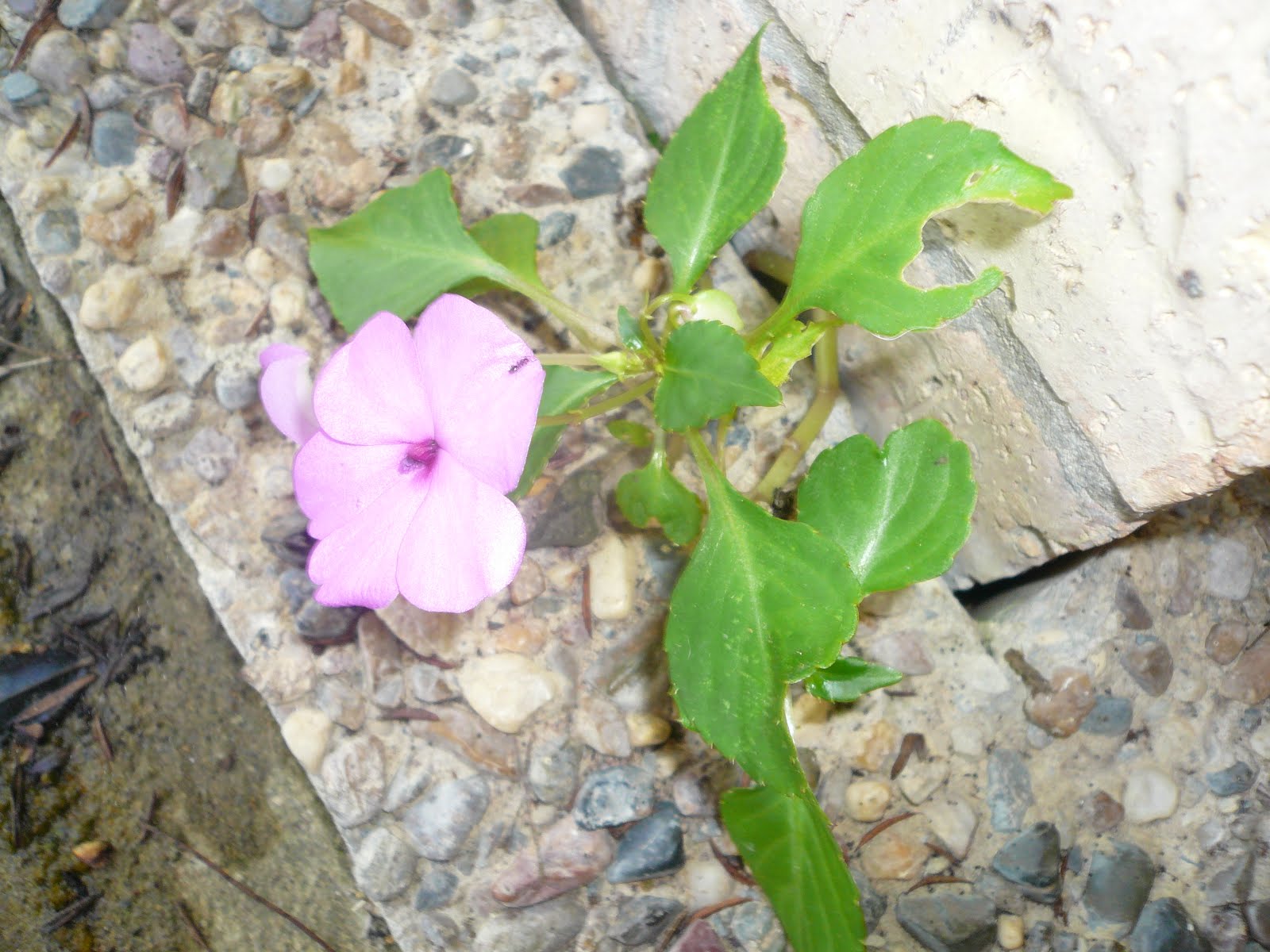
Busy Lizzy found a secret source of food and water.


